
The cheapest travel management company could be costing your operation more than you think
Choosing the cheapest travel management company (TMC) may seem like the easiest win on paper, but it could be the decision that costs you all year.
Here’s why...
The fee on the invoice is the one cost a cheap TMC will show you. Everything that fee hides stays out of sight: the missed connection to a remote site, the crew's rotation that slips a day, and the hours your team burns rebooking flights at 2 a.m. during a winter storm.
Travel for mining, oil and energy industries works nothing like office travel, so the cheap TMC math doesn't hold up. Below is where it breaks down, and how to price a TMC on what it really costs you.
The invoice tells you the price but hides the cost
What's the difference between a cheap travel management company and a cost-effective one?
When companies compare TMCs, the transaction fee is usually one of the first figures they see. A provider charging a lower per-booking may look cheaper, but the fee only tells you what you are paying the TMC for making the booking. It does not tell you whether the business is getting the best value from that booking.
The difference shows up in the money that can be saved or lost around each transaction. A negotiated fare is of little use if the TMC doesn’t apply it. A lower fee also means little if your employees book outside policy, ticket credits expire before the business can use them, or people have to spend billable hours sorting out cancelled flights themselves.
That is why the lowest TMC fee is not necessarily the lowest overall cost. The meaningful comparison is between what you pay the TMC and what you spend on business travel as a whole.
Where the cheap option drains money
What hidden costs does a low-cost travel management company create in mining, oil and energy travel?
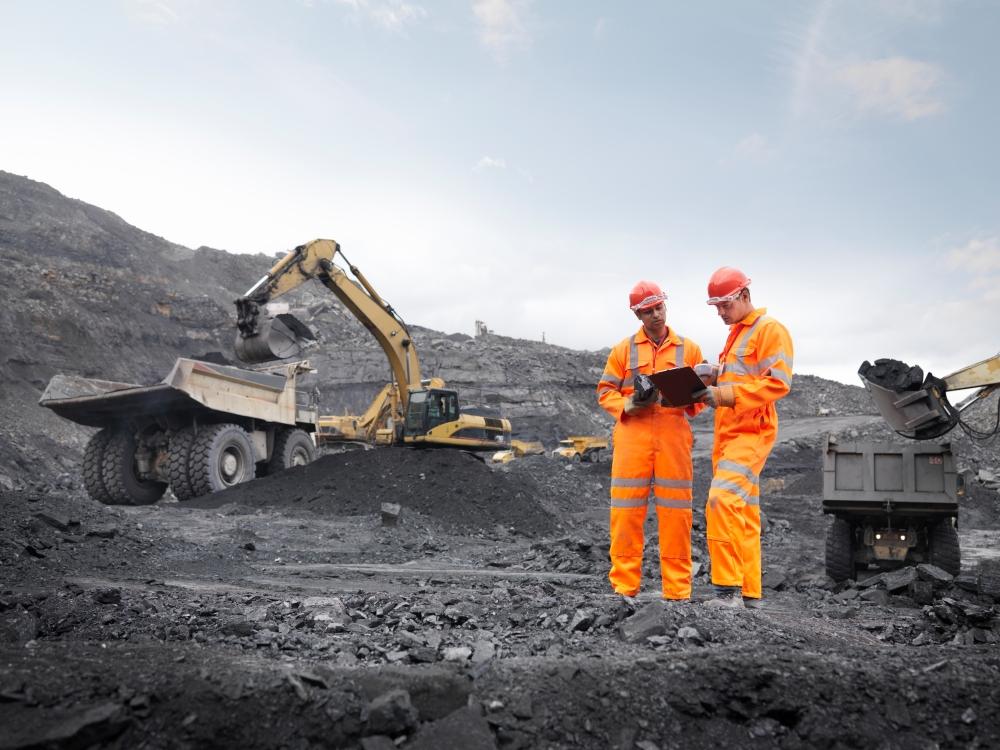
A low-cost TMC is built for predictable, point-to-point business travel. Travel for mining, oil and energy is none of those things. It’s remote, rostered, regulated, and disruption-prone, and each of those traits is a place the cheap option wastes money.
Here’s what that looks like:
- Missed connections to remote sites: A fly-in, fly-out trip often runs through two or three legs. Miss the first and the whole rotation is at risk. The cheapest fare is rarely the one that protects the connection.
- Slipped crew rotations: When a traveller doesn’t make it, a crew swap doesn’t happen on time. Now you’ve got idle crew, idle equipment, or overtime to cover the gap.
- Disruption rebooking: Fire season, snow, and road closures are a normal part of the Canadian mining, oil and energy calendar, and well-laid travel plans can collapse at a moment's notice. Many cheap TMC providers respond slowly to travel needs and won't proactively help you rebook or find alternatives on your behalf, forcing your team to spend hours on the phone.

Example: Support isn’t free, it’s metered. Some providers charge $12 or more each time a traveller calls for help with a disruption. A snowed-in airport can mean several calls to get the journey back on track, turning what looks like a low-cost service into an unbudgeted expense over the course of a season.
- You can’t locate your people: Wildfire evacuations, remote sites, and missing cell coverage are all part of the job. Unmanaged or fragmented travel means no traveller tracking. You cannot answer, “where is everyone?” during an incident. This is board-level risk, not a cost line.
- Crews book like manifests, not itineraries: A rotation of 50 to 100 needs held seats, late-finalizing name lists and swaps. Self-serve tools sometimes price a name change as a full change fee because they were built for one traveller at a time.
Example: Unlimited, until it isn’t. Some programs cap bookings, free up to a set number, then tiered or per-booking pricing kicks in after. A rotation-heavy program can blow past that cap by mid-year without anyone noticing until the invoice changes.
- Remote routes aren’t in the tool: Many northern Canadian routes are served by regional carriers with thin or no GDS presence, or by charter. If the content isn’t in the booking tool, it gets booked offline, creating leakage and a tracking blind spot at the same time.
- The advertised fee isn’t always the fee you pay: The fee you’re quoted is usually just the flight booking fee. Book a hotel or a rental car through the same trip, and each one carries its own separate charge. Three fees for one itinerary, on a program sold as one flat rate.
A cheap travel management company doesn't come with the safeguards to prevent any of this, so every rotation and every disruption is another chance for the cost to resurface somewhere else. It never lands on the TMC invoice. It lands on operations, on payroll, and on next quarter's site budget. The bigger risk sits in how invisible these costs are until they've already compounded.
Hidden costs stay hidden. Ours don't.
What does a transparent travel program catch that a cheap one misses?
Catching these costs before they compound takes a program built to see them: a dedicated Travel Manager who knows your rotations, a platform that tracks every booking including the ones offline tools miss, and support that rebooks a disrupted leg before it becomes a missed rotation.
Here’s what that looks like on real mining, oil and energy travel programs:
We helped a mining client with 10,000 employees streamline travel for remote crew rotations—surfacing $85,000 in annual value and savings, while freeing up significant time for their travel coordinators.
Another mining client, running a large crew rotation, turned to us to simplify travel management across their operations. The result: $90,000 in annual value and savings, with zero disruption to crew scheduling.
That’s the gap between a TMC that hides its costs and one that accounts for them: value you can see and put a number on, instead of a fee that looks small until the rotation it breaks shows up in next quarter’s budget.
What you’re paying for with a specialist travel management company
What makes a travel management company worth more than the cheapest fare in mining, oil and energy?
Travel in mining, oil and energy rarely runs point-to-point—a regional flight, a charter into a strip near site, or a bus to the mine. Lock into the cheapest fare and one changed leg breaks the whole chain. We build in the flexibility to protect the connection, not just the ticket price.





Results like that are what earn a 97% client retention rate, and they’re why mining and resource companies including JDS Mining, MineSense, Hy-Tech Drilling, Knight Piésold, and Ivanhoe Electric run their travel this way.







What our clients say
Corporate Traveller provides exceptional support for every corporate trip we have booked with them; whether it's a straightforward itinerary or a complex journey, we know we can always rely on their expertise, professionalism, and attention to detail. CT's dedicated travel experts consistently exceed expectations, demonstrating a deep understanding of our preferences and commitment to service excellence. CT has transformed the way we manage travel, bringing remarkable efficiency and transparency to our administrative processes. This has had a profoundly positive impact, and we deeply value their understanding of our business and their contribution to our growth.
Alejandra Najera, Executive Assistant to the President & CEO, MineSense
How to compare travel management companies on total cost, not sticker price
How should a mining, oil and energy company evaluate a travel management company?
When the proposals come in, don’t read the fee line first. Read for total cost. A few questions that surface it:
- Who answers at 2 a.m. and are you paying for it each time?
- During business hours, are you talking to a call centre or a dedicated Travel Manager who knows your account?
- How do they protect remote-site connections when a leg fails?
- Can they build in flexibility for multi-leg routing, or just sell the cheapest fare on each leg?
- Can they cancel a booking the moment a name no longer belongs on the manifest, or does that sit in a queue?
- What’s their average client saving, and can they prove it?
- Can they show you the value and savings they deliver on a regular basis?
Score the proposals on those, and the cheapest fee rarely wins.
Want the math on your own program? Book a meeting with our team and we’ll help you crunch the numbers.
The bottom line
Is it time to revisit your travel management company?
If your current travel solution was chosen mainly on its fee, it may be worth a second look. The fee is the part you can see. The missed connections, slipped rotations, and hours spent rebooking are the parts that show up later in your budget.
Corporate Traveller gives mining, oil and energy teams a dedicated Travel Manager who knows your sites and rosters, 24/7 support when plans change, and Melon to bring every booking, rate, and unused ticket into one place.
Want to see the true cost of your current setup? Talk to an expert.
Frequently asked questions
-
What is a cheap travel management company?
A cheap TMC is a travel management company chosen mainly on its headline fee, meaning the lowest per-booking or management charge, rather than on the total cost of your travel program.
-
Is a cheap travel management company worth it for a mining, oil and energy company?
Rarely. Travel for mining, oil and energy is remote, rostered, and disruption-prone, so the hidden costs a cheap TMC creates, including missed rotations, rebooking time, and leakage, usually outweigh the fee it saves.
-
What hidden costs do low-cost travel management companies create?
Missed connections to remote sites, slipped crew rotations, after-hours rebooking, off-policy booking leakage, lost negotiated rates, and expired unused tickets. None of these appear on the TMC invoice. Some providers also charge per support call, add separate fees for flights, hotels, and rental cars, or cap bookings and switch to tiered pricing once you pass the limit. Most of these costs never show up on the TMC invoice.
-
Does a travel management company just book travel, or manage the relationship?
The right one functions like an extension of your company, not a vendor you call each time. A dedicated Travel Manager learns your sites, your rosters, and your internal policies over years—which is why mining clients tend to stay with the same TMC relationship for the long haul.
-
How much can a mining, oil and energy company save with the right travel management company?
Corporate Traveller clients save an average of 15% on travel costs, with more than $27 million and 33,000 hours saved across the customer base.
-
What should a mining, oil and energy company look for in a travel management company?
Dedicated Travel Managers, 24/7 support, an easy-to-use platform for booking yourself, remote-site connection protection, full spend visibility, proven negotiated rates, and experience with Canadian resource extraction operations.